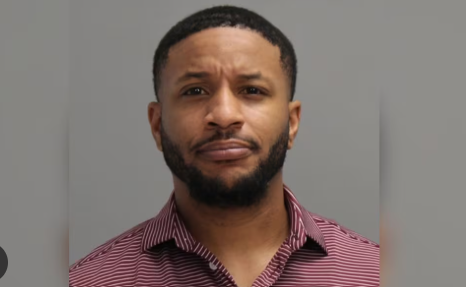

A 25-year-old Trumbull man is headed to federal prison after admitting he billed Amazon for more than 1,000 trailer moves that never happened.
U.S. District Judge Kari A. Dooley sentenced Ameer Nasir in Bridgeport on October 7, 2026, to 24 months in prison followed by three years of supervised release. She also ordered him to pay $3,547,090.93 in restitution. Nasir, who has been out on a $300,000 bond, must report to prison on November 12.
How the scheme worked
Amazon Logistics, a subsidiary of Amazon, hires outside trucking companies to haul trailers, both empty and loaded, between cities, warehouses and fulfillment centers. Carriers sign up, accept assignments through Amazon’s system and get paid when the move is logged as complete.
According to federal prosecutors, Nasir registered 23 trucking businesses with Amazon Logistics. One was his own company, Pak Express Transport, LLC. The others were set up under fake names or by using the names and identifying information of real trucking companies without their knowledge.
From roughly December 2019 to February 2021, Nasir used those accounts to accept more than 1,000 transportation jobs. He then altered data in Amazon’s transportation management system to make it look like trailers had been moved when they hadn’t, and submitted invoices that Amazon paid. Total loss: more than $3.5 million.
He was arrested on May 8, 2025, and pleaded guilty to wire fraud on March 6, 2026.
A few things worth noticing
The timeline. The fraud ended in early 2021, but the arrest didn’t come until May 2025. The general statute of limitations for wire fraud is five years, so the government brought the case with time to spare. Fraud cases like this one often take years to build, especially when investigators have to untangle two dozen accounts, many tied to real companies that had no idea their names were being used.
The charge. Nasir pleaded guilty to wire fraud alone. Federal law also makes it a separate crime, aggravated identity theft, to use another person’s identifying information during certain felonies, including wire fraud. That charge carries a mandatory two years in prison, stacked on top of any other sentence. Using other companies’ identifying information to open accounts is the kind of conduct that can support that charge. Whether it was ever on the table here isn’t clear from the public record, but a plea to a single wire fraud count is a meaningful outcome for a defendant facing these facts.
The sentence. Wire fraud carries a maximum of 20 years. Under the federal sentencing guidelines, the dollar loss drives much of the calculation, and a loss just over $3.5 million adds a significant number of offense levels on its own. For a first offender who accepts responsibility, a guidelines range well above 24 months would not be unusual in a case this size. Judges have discretion to go below the range based on age, background, cooperation and other factors, and the public announcement doesn’t say what drove the final number.
The restitution. In federal fraud cases, restitution to identifiable victims is generally mandatory. The judgment for more than $3.5 million will follow Nasir long after he walks out of prison, and supervised release gives the court a way to keep tabs on payments.
The takeaway for businesses
Platforms that let contractors sign up, accept work and get paid with little human contact are efficient, but they are also exposed. This case was caught and investigated by the FBI with Amazon’s help, which suggests the company’s own records were central to the prosecution. For smaller trucking and logistics operators, the case is also a reminder to keep an eye on whether your company’s name, DOT number or other information is being used somewhere it shouldn’t be.
Facing a federal fraud investigation?
Federal cases move differently than state cases. Investigations can run for years before anyone is charged, and decisions made early, including whether to talk to agents, can shape everything that follows. If you’ve been contacted by federal investigators or think you may be the subject of an investigation, talk to an attorney before you say anything.






Leave a Reply